
Street Photography: Capturing Life's Unscripted Moments
Street photography is a captivating art form, a candid reflection of everyday life in public spaces. It’s about finding the extraordinary in the ordinary, capturing spontaneous moments that reveal the depth and diversity of human experience. In bustling urban settings or quiet rural scenes, street photography offers a slice of life that is both authentic and profound.
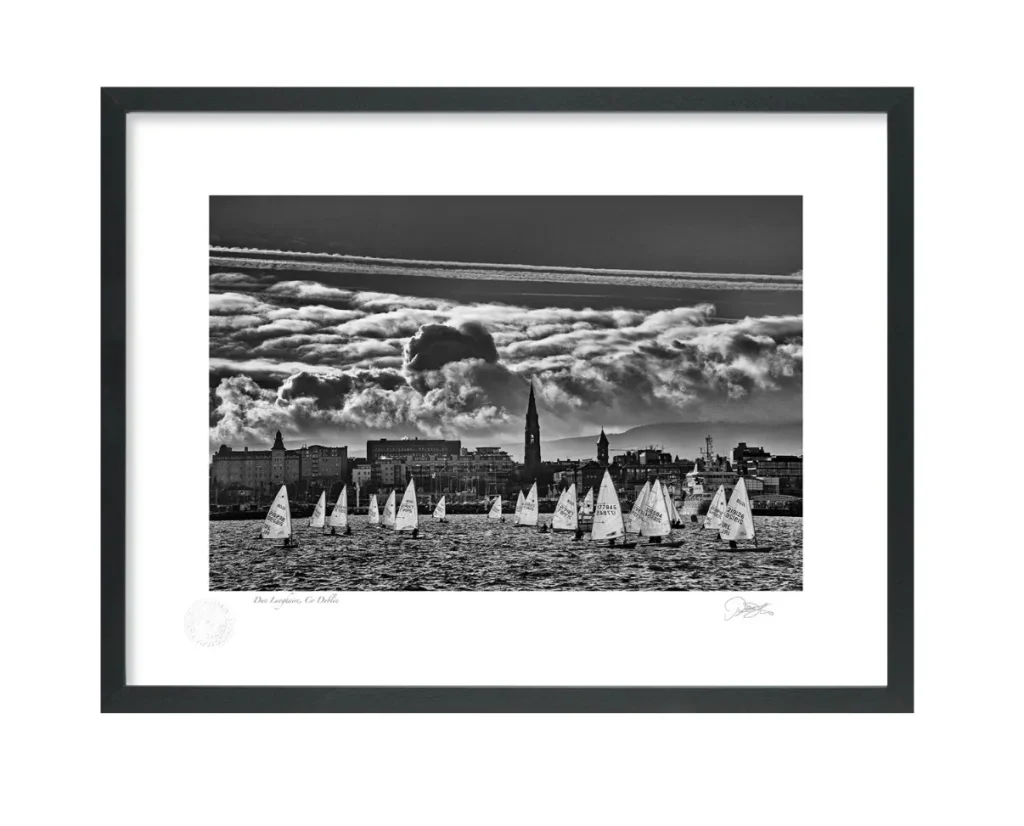
What is Street Photography?
At its core, street photography is about capturing candid moments of everyday life. It’s a form of urban storytelling that reflects cultural nuances and invites spontaneous encounters. These moments create interesting juxtapositions and decisive scenes that resonate with a sense of presence and immediacy.
As a street photographer, I am drawn to these opportunities—moments when people are immersed in their daily lives, whether working, playing or simply being. I constantly scan my surroundings, seeking those fleeting instances that tell a story or convey an emotion. My goal is to capture the unposed, the unexpected, and the raw slices of life that pass by in the blink of an eye.
Street photography is more than just taking pictures; it’s about observing and understanding the world. It’s about seeing the extraordinary in the mundane and finding beauty in the everyday. It’s about capturing moments that reflect the essence of human experience.
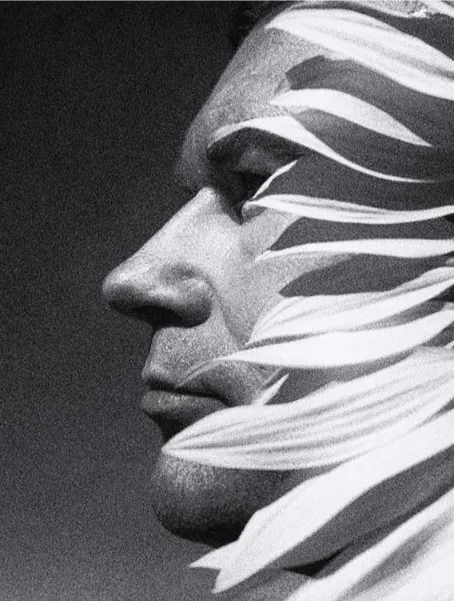
Manifesting the Pictures
I explore the streets with a camera, always searching for compelling images. Each corner turned, and every alley ventured into holds the potential for a candid moment—a snapshot of urban life that tells a story. Street photography is about capturing these spontaneous moments of beauty, where human connection and emotion shine through amidst the city’s noise or the crowd’s busyness.
Finding interesting pictures isn’t just about pointing and shooting. It’s about understanding the city’s rhythm and becoming one with the scene. It’s about looking beyond the obvious and seeing the grace and love that exist in the backdrop of the street. A street vendor selling flowers, a child playing in a fountain, an elderly couple holding hands—these moments create a rich tapestry of storytelling visuals, speaking volumes about the human experience.
My Street Photography Destinations
Over the years, I’ve embarked on numerous street photography projects, from my birthplace, Dublin, to the far reaches of Mongolia. Each destination offers a unique lens through which to view and understand the world. These projects have led me down a fascinating path of urban storytelling, capturing candid moments that reveal the pulse of everyday life.
In these spontaneous encounters, I’ve discovered a wealth of cultural expressions, from vibrant murals to street performers who bring music and colour to our concrete jungles. In these fleeting moments, we truly appreciate the diversity and richness of human life as we navigate life our unique way.
My camera has been a faithful companion, documenting the world as I see it—raw, unfiltered, and authentic. This journey has taught me to find beauty in the mundane, to appreciate the art in the ordinary, and to celebrate the extraordinary found in everyday life. Places like Cuba, with its vibrant way of living, provide excellent opportunities to explore in authentic street photography mode.
Street Photography Resources
Having immersed myself in diverse cultures, I’ve gathered a wealth of resources that have been instrumental in honing my craft. I’ve learned camera techniques that enable me to capture candid moments and the essence of urban storytelling. The Rolieflex Twin Lens Reflex, a square medium format film camera, is a favourite of mine for capturing people in their divine moments.
Photography books and learning from iconic photographers like Henri Cartier-Bresson, Vivian Maier, and Paul Strand have taught me technical skills and the ethical considerations of street photography. Respecting individuals, their privacy, and their cultural perspectives is paramount, and this respect is reflected in the authenticity of my images.
Engaging with fellow street photographers, both online and in person, has been a rewarding experience. These interactions have fortified my sense of belonging in this art form, encouraging me to push my creative boundaries continually.
Frequently Asked Questions
What Equipment Is Best for Street Photography?
The best equipment is what you’re most comfortable with. A small, quiet camera is ideal, so I often use a Rolieflex twin lens. Consider a Leica or Sony for digital, but remember, less is more. Reliable editing software like Lightroom and Photoshop is also essential.
How Can I Overcome the Fear of Photographing Strangers in Public?
Tackle your fear head-on. Confidence is key. Approach subjects gently and respect their space. Capture candid moments while balancing ethical considerations. Practice makes perfect, and with time, your fear will subside. It’s about creating a sense of belonging without crossing boundaries.
Are There Legal Considerations in Street Photography?
Yes, there are legal considerations. Privacy rights mean you can’t invade personal space without consent. Shooting in public spaces is generally okay, but model releases are needed for commercial use. Respect is key; people’s feelings matter more than the ‘perfect’ shot.
How Can I Develop My Style in Street Photography?
Finding your style is a journey of self-discovery. Experiment with visual storytelling, composition, and colour. Capture moments that resonate with you. Break the rules and create storylines within your frames. Your style will evolve as you grow and experience more.
What Are Some Tips for Shooting in Different Weather Conditions?
Embrace the weather. Rainy days offer reflections and moodiness. Sunny streets provide strong shadows and contrast. Fog adds mystery, and snow brings magic. Street photography is a journey; the destination is the final image, but it’s all about the journey itself as this is when the real magic happens.
Save 10% On Your Next Order!