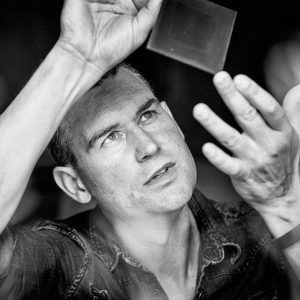
With its vibrant streets, bustling cities, and quiet corners, Ireland is a treasure trove for street photographers. From the lively footpaths of Dublin to the historic lanes of Kilkenny, the country offers a unique blend of urban charm and cultural richness. Street photography, as a genre of photography, captures the essence of everyday life in a great place, preserving fleeting moments that tell the story of a city and its people. For photographers, Ireland’s streets are a canvas waiting to be explored, offering endless opportunities to create candid, evocative, and timeless street photographs.
What Is Street Photography?
Street photography is a kind of photography that thrives on spontaneity and authenticity. It’s about capturing life as it unfolds in public places—whether it’s the laughter of strangers, the blur of a bustling crowd, or the quiet solitude of a street corner. Unlike landscape photography or fine art, street photography is unpredictable, raw, and deeply human.
The history of street photography dates back to the late 19th and early 20th centuries, with pioneers like Henri Cartier-Bresson, who famously used his Leica camera to capture decisive moments. His work, along with that of generations of photographers, has shaped the way we view street photography today. It’s a genre that records everyday life in a bustling place, offering a glimpse into the soul of a city.
Street photography may seem simple, but it’s a complex art form that requires a keen eye, quick reflexes, and an understanding of your camera’s settings. It’s about capturing moments that are unrepeatable, moments that provide detail and evoke emotion.
Being A Street Photographer
As a street photographer, my goal is to capture the essence of urban life, one candid moment at a time. Whether I’m wandering the cobbled streets of Dublin or exploring the quieter lanes of Kilkenny, I find myself drawn to the stories unfolding around me. Street photography is not just about taking photos; it’s about observing, anticipating, and reacting to the world in real-time. It’s a genre of photography that demands both technical skill and emotional intuition.
I often find that the best photographs come from being patient and staying present. It’s about waiting for that perfect moment when light, composition, and emotion align. Sometimes, it’s the laughter of strangers sharing a joke on a street corner, or the quiet determination of a cyclist weaving through traffic. These moments are fleeting, but with the right timing and a keen eye, they can be immortalised in a photograph.
For me, the joy of being a street photographer lies in the unpredictability of it all. No two days are the same, and every outing offers new opportunities to capture something extraordinary. Whether I’m using a mirrorless camera for its portability or a DSLR for its versatility, the tools are secondary to the vision. It’s about seeing the world differently and sharing that perspective through my work.
Importance Of Shutter Speed
Shutter speed is one of the most critical settings for any street photographer. It’s the difference between a sharp, dynamic image and a blurry, indistinct one. In the fast-paced environment of a city, where people and vehicles are constantly in motion, a fast speed is essential to freeze the action and capture crisp, clear photographs.
I typically set my shutter speed to at least 1/250th of a second when shooting in bustling areas. This ensures that I can capture the energy of a scene without motion blur. However, there are times when a slower speed can be used creatively to convey movement, such as the streaking lights of passing cars or the flowing motion of a crowd.
Understanding how to balance shutter speed with aperture and ISO is key to mastering street photography. For example, on a bright day, I might use a faster speed and a smaller aperture to avoid overexposure. In low-light conditions, I’ll often increase my ISO to maintain a fast speed while keeping the image sharp.
Experimentation is crucial. Don’t be afraid to adjust your settings and try new techniques. Whether you’re capturing the decisive moment or experimenting with motion blur, knowing your camera settings will give you the confidence to adapt to any situation.
Images From My Collection
One of the most rewarding aspects of being a street photographer is curating a collection of images that provide stories. Each photograph is a snapshot of a moment in time, a piece of history frozen in a frame. Below, I’ve included a few examples from my collection that showcase the diversity and beauty of street photography.
- Dublin’s Grafton Street: This vibrant image captures the hustle and bustle of one of Dublin’s most famous streets. The candid expressions of people in the frame, combined with the dynamic composition, bring the scene to life.
- Trinity College Dublin Winter Scene: A serene and reflective image that captures the historic charm of Trinity College Dublin in winter.
- Parliament Square, Trinity College Dublin: A striking photograph that highlights the grandeur of Parliament Square at Trinity College Dublin.
- Dublin Castle in the Rain: A moody and evocative image of Dublin Castle captured in the rain.
These images are just a glimpse into my street photography collection. Each one is available in various sizes and formats, perfect for adding a touch of urban charm to your home or office. If you’d like to view more of my work or purchase a print, feel free to explore my online store.
By blending technical skill with creative vision, street photography offers endless opportunities to capture the pulse of the city. Whether you’re a seasoned photographer or just starting out, I hope these insights and images inspire you to pick up your camera and hit the streets. The world is full of stories waiting to be told.
Patrick Donald: My Experience In Photographing The Streets
As a self-taught photographer with over 25 years of experience, I’ve always seen myself as a modern-day hunter, tracking down the beauty and emotion that lies hidden in the everyday. My journey began with Ireland’s landscapes—its rugged coastlines, rolling green fields, and dramatic cliffs—but over time, I found myself drawn to the streets. There’s something uniquely compelling about capturing life as it unfolds in public places, where people and places come together to create moments that are both fleeting and timeless.
Growing up in Dublin, I was surrounded by the energy and character of the city. Its streets became my first canvas, and I quickly learned to appreciate the balance of compositions that could be found in its bustling lanes and quiet corners. Whether it’s the laughter of strangers on Grafton Street or the quiet determination of a cyclist weaving through traffic, Dublin offers endless opportunities to capture the essence of urban life.
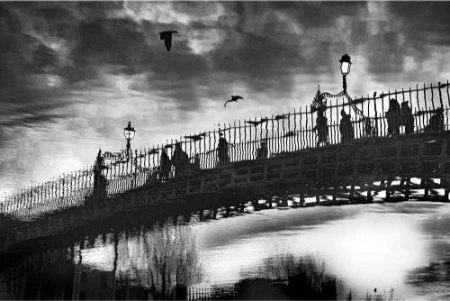
My approach to street photography is rooted in my background as a documentary photographer. I aim to document the good-natured human life that can be found in every corner of the world. From the vibrant streets of Havana to the serene landscapes of Mongolia, I’ve had the privilege of capturing a cross-section of cultures through my lens. Each place has its own rhythm, its own story, and my goal is to preserve those stories in a way that resonates with the viewer.
One of the things I love most about street photography is its unpredictability. Unlike landscape photography, where you can plan for the perfect light or composition, street photography is spontaneous. It’s about being in the right place at the right time, ready to take the photo when the moment presents itself. This requires not only technical skill but also a deep understanding of human emotion and behaviour.
Over the years, I’ve developed a unique style that blends the rawness of street photography with the timelessness of black and white imagery. There’s something about stripping away the colour that allows the viewer to focus on the emotion and composition of the image. Whether it’s a candid shot of people in busy places or a carefully framed cityscape, black and white photography has a way of distilling a scene to its essence.
My work has taken me to many corners of the globe, but Ireland remains my greatest inspiration. The streets of Dublin, with their rich history and vibrant energy, continue to draw me back. There’s a sense of familiarity and comfort in photographing the city where I was born, but also an endless sense of discovery. Every time I pick up my camera, I find something new to capture—a fleeting moment, a hidden detail, a story waiting to be told.
For me, street photography is more than just a genre; it’s a way of seeing the world. It’s about finding beauty in the ordinary and capturing moments that might otherwise go unnoticed. Whether I’m photographing the streets of Dublin or the bustling markets of India, my goal is always the same: to create images that strike a chord with the human emotion within us.
If you’d like to explore more of my work, I invite you to view my collection of photographs. Each image is a piece of my journey, a snapshot of the world as I see it. I hope they inspire you to look at the streets around you with fresh eyes and to appreciate the beauty that lies in the everyday.
The Street Photographer’s Toolkit
To excel in street photography, knowing your camera settings is crucial. Whether you use a DSLR or a small camera like a Leica, the right equipment can make all the difference.
- Lens Choice: Many street photographers prefer a prime lens, such as a 28mm, for its wide field of view and ability to fill the frame. A zoom lens can also be useful, but a prime lens forces you to focus your energy on composition and movement.
- Shutter Speed: A fast shutter speed is essential to freeze motion and avoid blur, especially in bustling environments.
- Aperture: A wider aperture (e.g., f/2.8) allows for a shallow depth of field, isolating your subject from the background.
- Camera Settings: Keep your camera ready at all times. Adjust your ISO and aperture to suit the lighting conditions of your environment.
Many street photographers also prefer a lightweight camera, such as a small DSLR camera, for its portability and discreetness. Brands like Leica, Fujifilm, and Sony are popular choices among street photographers.
Tips and Techniques for Capturing Street Photographs
- Shoot Candidly: Candid street photography is about capturing people in places without their knowledge. This creates authentic, unposed images that reflect everyday life.
- Shoot from the Hip: To remain inconspicuous, try shooting from the hip. This technique allows you to take photos without drawing attention.
- Fill the Frame: Get close to your subject to fill the frame and eliminate distractions. This creates a more intimate and impactful image.
- Use Lightroom for Editing: Post-processing is key to enhancing your street photography images. Tools like Lightroom can help you adjust exposure, contrast, and colour photography to bring out the best in your work.
- Tell a Story: Great photographs go beyond just capturing a moment—they tell stories. Look for interactions, emotions, and unique compositions that convey a narrative.
The Ethics of Street Photography
One of the most debated aspects of street photography is its legality and ethics. Street photography is legal in most places, but it’s important to always be aware of the expectation of privacy. While you don’t need permission to take images of strangers in public, it’s crucial to respect people’s boundaries.
Many photographers find that people are more accepting when they’re approached with kindness and respect. If someone objects to having their photo taken, it’s best to move on.
View Street Photography as an Art Form
Street photography is more than just taking photos—it’s a photography style that blends documentary photography, photojournalism, and fine art. The publicness of the setting enables the photographer to capture moments that are both personal and universal.
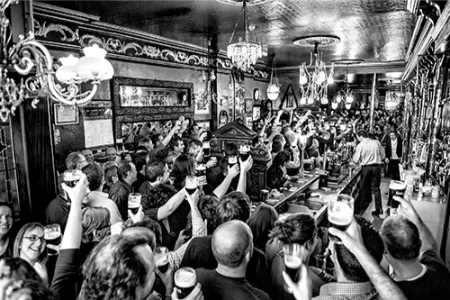
Black and white photographs are particularly popular in this genre, as they emphasise contrast and texture, stripping away distractions to focus on the subject. However, colour photography can also be powerful, adding vibrancy and context to your street scenes.
Learn from the Masters
Studying the work of legendary street photographers like Henri Cartier-Bresson can provide invaluable insights. His ability to capture the decisive moment and his mastery of composition in street photography have inspired countless photographers.
Many street photography workshops also offer hands-on experience, helping you refine your skills and develop your unique photography style.
Why Street Photography Matters
Street photography records the essence of urban life, preserving moments that might otherwise go unnoticed. It’s a way to document history, celebrate diversity, and explore the beauty of everyday life in a lively place.
Whether you’re capturing street portraits, candid moments, or the energy of a bustling city, street photography allows you to connect with the world in a profound way.
Final Thoughts
Street photography is a challenging yet rewarding genre of photography. It requires patience, creativity, and a keen eye for detail. By mastering your camera’s settings, understanding composition, and respecting the ethics of the craft, you can create street photography images that resonate with viewers.
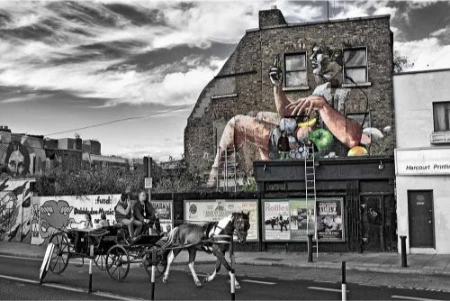
So grab your camera—whether it’s a DSLR, a mirrorless camera, or a lightweight camera—and hit the streets. The world is waiting to be captured through your lens.
By following these tips and techniques, you’ll be well on your way to creating stunning photographs that capture the pulse of the city. Whether you’re exploring Dublin’s vibrant streets or documenting life in a bustling place elsewhere, street photography offers endless opportunities to capture fleeting moments.
Patrick Donald.
Frequently Asked Questions About Street Photography
A great street photograph is one that tells a story or evokes emotion. It’s about capturing a moment that feels authentic and unrepeatable. Strong photography composition, such as the use of leading lines, framing, and the rule of thirds, can elevate an image. Whether it’s candid photography of people in busy places or a striking cityscape, the best photos often combine technical skill with a keen eye for detail. Since street photography is so spontaneous, being ready to take the photo at the right moment is crucial.
Not at all! While some photographers prefer DSLRs or mirrorless cameras, many street photographers opt for smaller, more discreet cameras like a Leica or a compact mirrorless model. The key is to use a camera that enables the photographer to take photographs quickly and unobtrusively. Many camera brands offer lightweight options with lenses that are perfect for street photography, such as a 28mm or 35mm prime lens. It’s not about the size of the camera but how you use it to capture fleeting moments.
Street photography often involves taking photos of people in public places without their explicit permission. While this is legal in most cases, it’s important to approach the subject with respect and sensitivity. Many photographers find that being discreet and avoiding intrusive behaviour goes a long way in maintaining ethical standards. If someone objects to having their photo taken, it’s best to respect their wishes. Discussing his work, Henri Cartier-Bresson once said that the goal is to capture life as it unfolds, not to exploit or intrude.
Improving your photography composition takes practice and a good understanding of the basics. Start by studying the work of renowned documentary photographers and analysing how they frame their shots. Pay attention to elements like balance, symmetry, and the use of negative space. When you’re out shooting, try to fill the frame with your subject and eliminate distractions. Experiment with different angles and perspectives to create dynamic images. Over time, these techniques will become second nature, helping you take great photos consistently.
Yes, many photographers earn income by publishing and selling their street photography. Whether it’s through prints, exhibitions, or online platforms, there’s a growing market for authentic, compelling images. Street photography, as one of the many genres of photography, has a unique appeal because it captures real-life moments and emotions. If you’re interested in selling your work, focus on building a strong portfolio that showcases your style and vision. High-quality photographs of people, cityscapes, and everyday scenes can resonate with buyers and collectors alike.